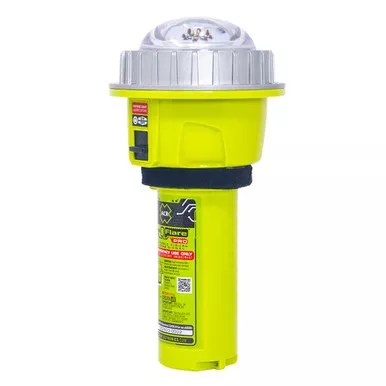
ACR ResQFlare PRO Electronic Visual Distress Signal
Original price was: $159.96.$87.51Current price is: $87.51.
Description
Meeting the requirements of RTCM 13200.00, the ACR ResQFlare PRO is a buoyant electronic flare categorized as an eVDSD, an Electronic Visual Distress Signal Device. It uses multi-color SOS distress signaling for greater luminosity and light distribution, combining red-orange and cyan LEDs for real visibility on the water, plus an infrared component that boosts visibility further for search and rescue teams using night vision.
The ResQFlare PRO flashes the International Morse Code pattern for S-O-S: three red-orange flashes for the first S, three cyan flashes for the O, and three more red-orange flashes for the final S. The infrared component flashes the same pattern simultaneously, optimized for night vision goggles. Even with that many flashes across both visible and IR, high light intensity, and a luminous angle of 180 degrees or more, it still keeps running for a minimum of three hours straight, half again longer than RTCM actually requires.
It’s also approved under 46 CFR 161.013 as a Night Visual Distress Signal, and every unit ships with a Distress Flag meeting 46 CFR 160.072, giving you an approved Day Visual Distress Signal too (day and night signal carriage requirements sit in 33 CFR part 175). The flag flies from a mast or the highest point available, or can be held by hand, lashed to something like a paddle or a rod and waved, or laid flat on the deck to catch an aircraft’s attention; use it only as a day signal, black square over black circle when displayed correctly.
A bracket and the hardware to mount it come in the box, keeping it always within reach on the boat, and a 1-meter lanyard tucks under the black Velcro wrap at its center, ready to tie it to a person or life raft if things get urgent.
Stateside, having both the ResQFlare PRO and the Distress Flag on board means you can skip carrying traditional pyrotechnic flares, this applies to recreational boats up to 65 feet, Great Lakes boating, U.S. Waters within 12 miles of shore, or any waterway connecting to the sea that’s at least two miles across (boats under 16 feet don’t need either one).
Browse more EPIRBs, PLBs & distress signals.
Related products
-
- Sale!
- hot sale
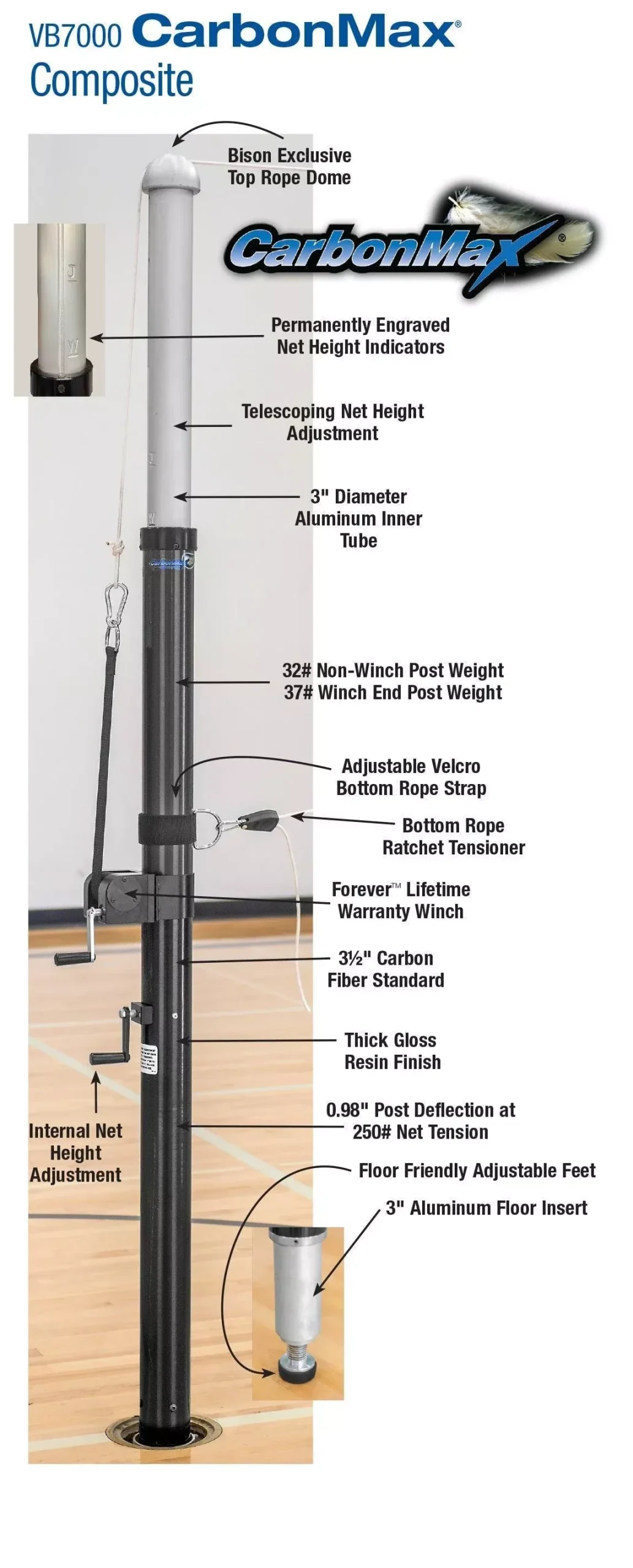
CarbonMax Composite Complete System without Sockets
- Original price was: $5,506.20.$4,007.48Current price is: $4,007.48.
- Add to cart
-
- Sale!
- hot sale
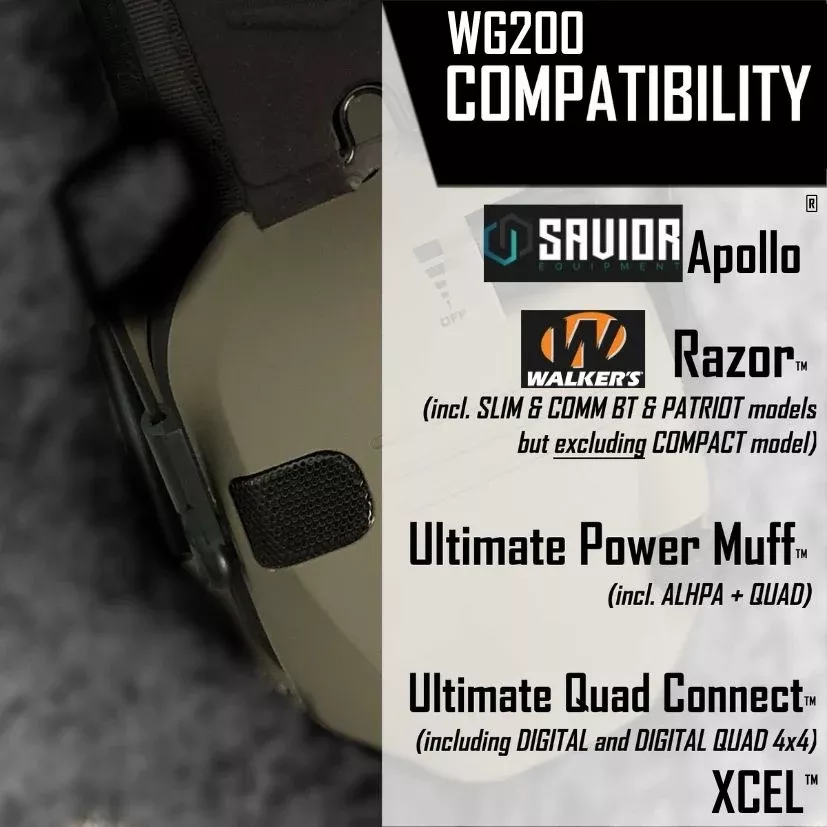
WG200 Sightlines Adapter Plates for Savior Apollo and Walker’s Game Ear Razor (not BT X-TRM or COMPACT) and similar models
- Original price was: $4.00.$2.07Current price is: $2.07.
- Add to cart
-
- Sale!
- hot sale
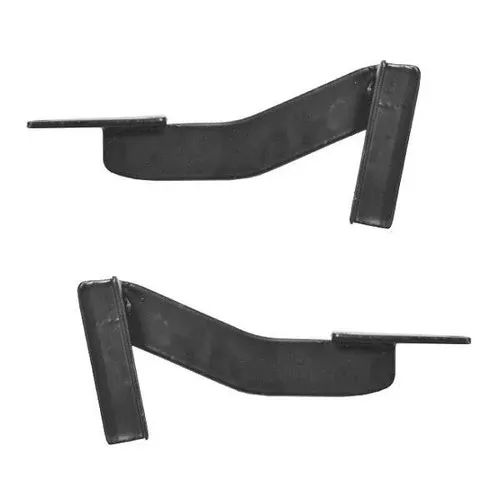
GTW Clays Basket Brackets for Yamaha Drive2
- Original price was: $71.16.$45.33Current price is: $45.33.
- Add to cart
-
- Sale!
- hot sale
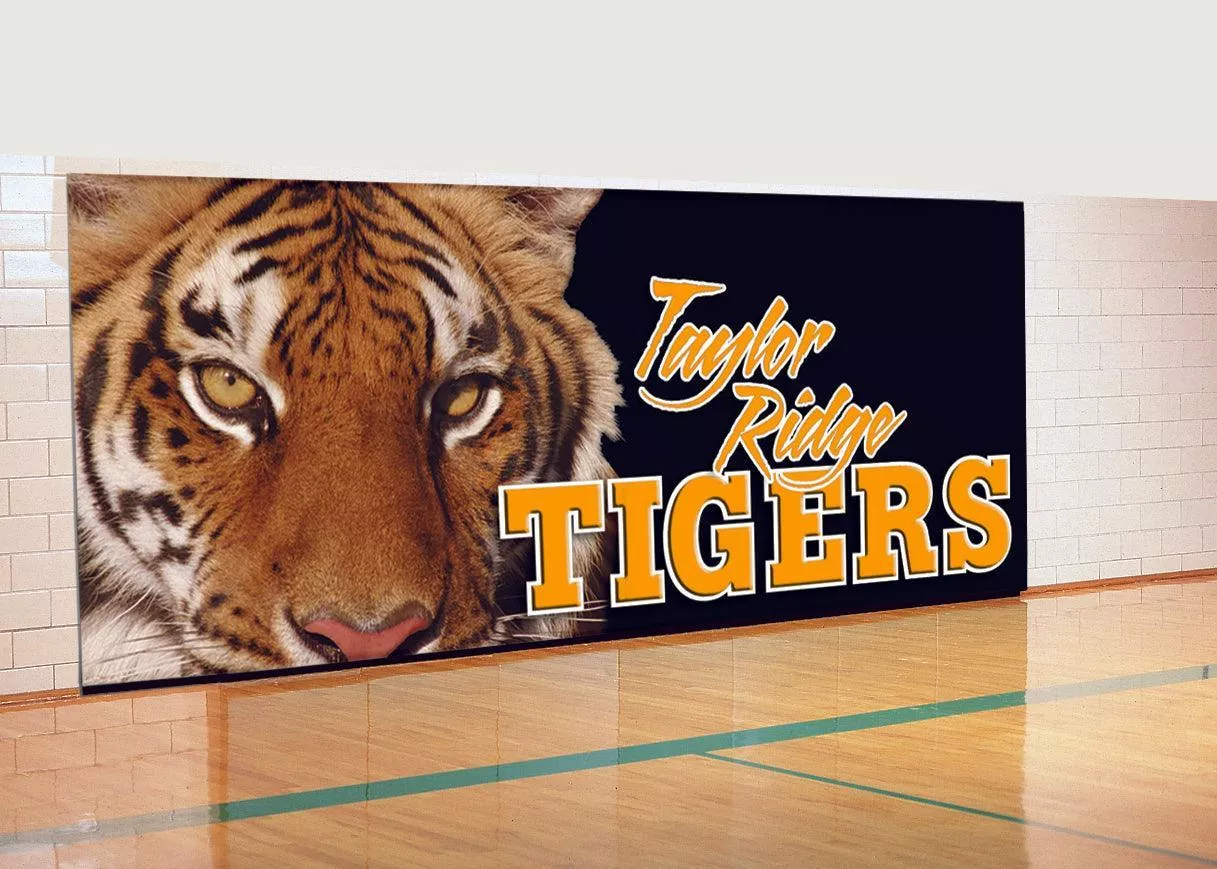
Protector™ Custom Graphic Indoor Wall Padding
- Original price was: $27.20.$15.93Current price is: $15.93.
- Add to cart
-
- Sale!
- hot sale
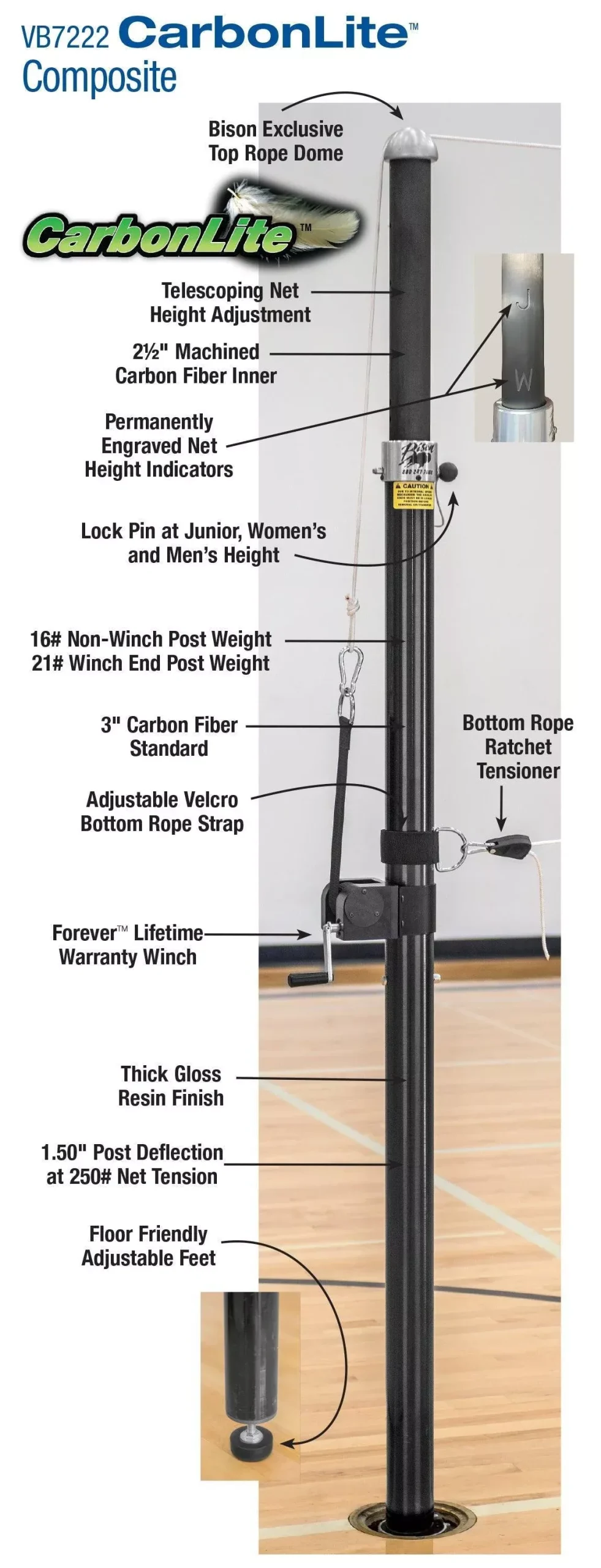
CarbonLite Composite Volleyball System without Padding
- Original price was: $2,490.00.$1,614.32Current price is: $1,614.32.
- Add to cart
-
- Sale!
- hot sale
Wall Mount Brackets for Wireless Shot Clocks
- Original price was: $138.40.$76.69Current price is: $76.69.
- Add to cart
-
- Sale!
- hot sale
Roof Rack Brackets for E-Z-Go TXT (1994.5-up)
- Original price was: $67.96.$43.08Current price is: $43.08.
- Add to cart
-
- Sale!
- hot sale
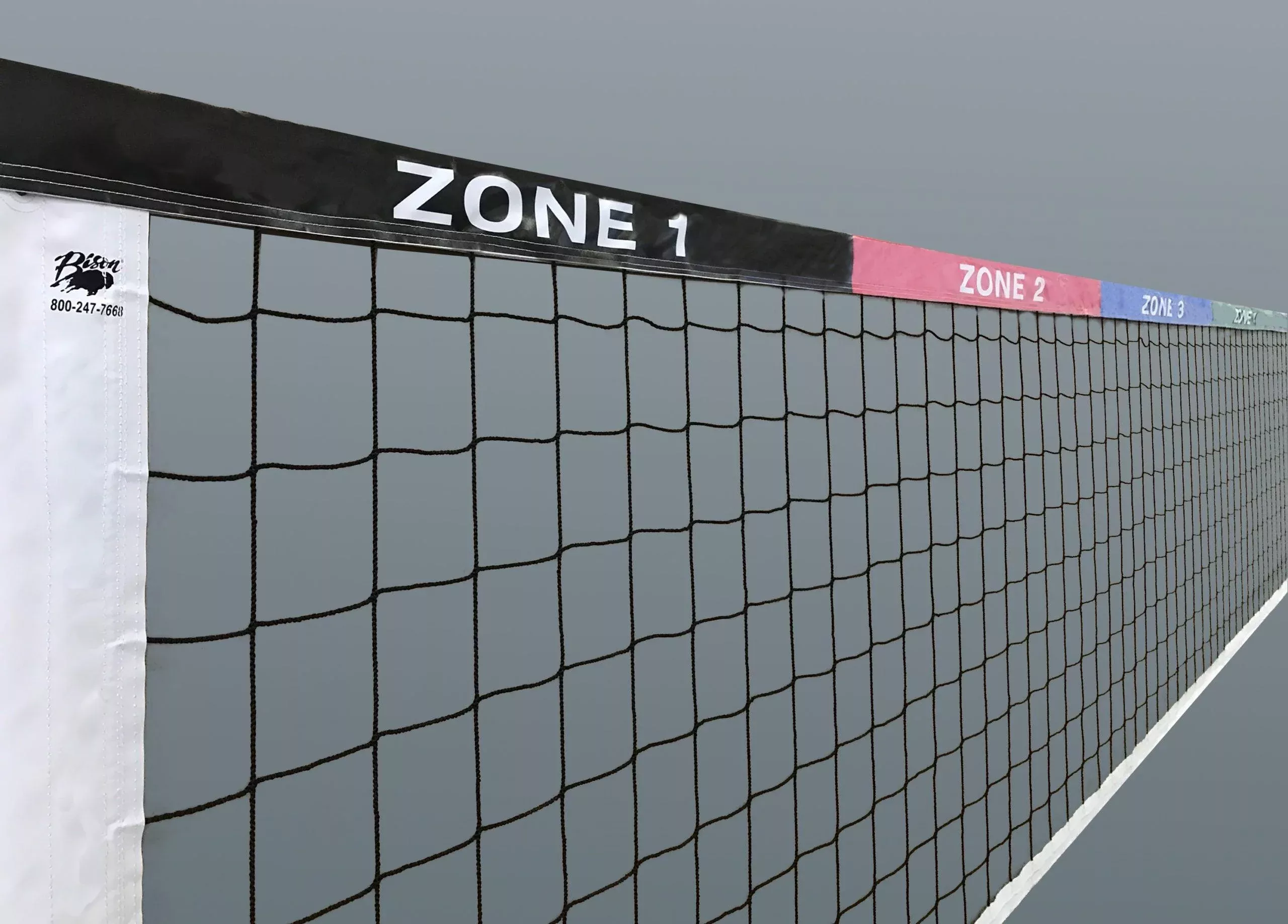
In the Zone Training Net Tape
- Original price was: $324.80.$192.99Current price is: $192.99.
- Add to cart